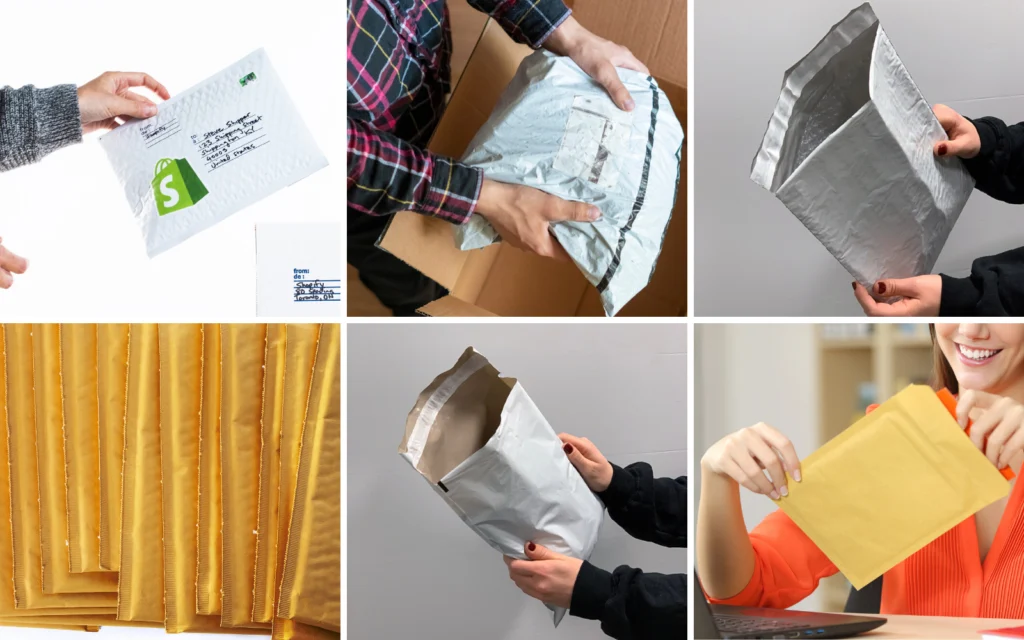
Poly Mailers vs. Paper Shipping Bags: What E-commerce Sellers Should Know
Poly Mailers vs. Paper Shipping Bags: What E-commerce Sellers Should Know Choosing between poly mailers and paper shipping bags shapes your unboxing experience, shipping costs, and sustainability image. This guide breaks down what e-commerce sellers actually need to know. What Poly Mailers Offer Poly mailers are lightweight, waterproof plastic bags widely used for shipping soft goods like clothing, accessories, and small non-fragile items. Their flexibility makes them easy to store and ship efficiently. Their biggest advantage is weight. Poly mailers add minimal shipping weight compared to boxes or paper alternatives, directly reducing shipping costs for high-volume sellers. What Paper Shipping Bags Offer Paper shipping bags provide a more eco-conscious unboxing experience, appealing to sustainability-focused customers. Many are made from recycled kraft paper and are fully recyclable after use. They typically offer decent puncture resistance for lightweight items, though they generally lack the waterproofing that poly mailers provide by default. Comparing Durability and Weather Resistance Poly mailers excel in wet or humid shipping conditions, protecting contents from rain and moisture during transit. This matters significantly for sellers shipping through monsoon seasons or humid regions. Paper bags, without additional lamination, absorb moisture more readily. Sellers using paper shipping bags in humid climates should consider a water-resistant coating or reserve paper for dry-season shipping. Share this post! Comparing Cost at Bulk Scale Poly mailers generally cost less per unit than paper shipping bags of comparable size, thanks to established, high-volume plastic manufacturing infrastructure. Paper alternatives can close this cost gap somewhat at very high order volumes, but typically remain moderately more expensive, especially for sellers prioritizing branded, printed paper packaging. Customer Perception and Unboxing Experience Paper shipping bags often create a more premium, eco-conscious unboxing moment, which some brands leverage as part of their overall customer experience strategy. Poly mailers, while practical, can feel more generic unless customized with branding, printing, or unique colors that elevate the unboxing moment despite the plastic material. A Direct Comparison Table Weight Very light Moderate Water resistance High Low (unless coated) Cost per unit Lower Moderate to higher Unboxing appeal Functional Premium, eco-conscious Best for Soft goods, wet climates Branded, eco-focused shipping Accounting for Regional Climate Variation India’s diverse climate means a poly mailer strategy that works well in Delhi’s dry winters might underperform during Mumbai’s monsoon season. Sellers shipping nationwide should consider climate-specific packaging adjustments across their fulfillment operations. Some businesses use poly mailers year-round for weather protection regardless of region, simplifying operations at the cost of the more premium paper experience during drier months when moisture risk is lower. When Poly Mailers Make Sense Poly mailers work best for: Clothing and soft goods shipments High-volume, cost-sensitive operations Humid or wet climate shipping regions Non-fragile items needing lightweight protection When Paper Bags Make Sense Paper shipping bags suit: Brands prioritizing sustainability messaging Dry climate regions with lower moisture risk Premium or gift-oriented product lines Businesses wanting recyclable packaging as a selling point Considering Product Fragility First Before choosing between poly mailers and paper bags, confirm your product doesn’t need rigid protection at all. Fragile or breakable items may require a padded envelope or box instead of either flexible option. Reserve this comparison specifically for soft, non-fragile goods, since forcing a fragile product into a flexible mailer of either material type risks damage regardless of which one you choose, no matter how carefully it’s packed inside. Considering Returns and Reusability Poly mailers with resealable strips make product returns easier for customers, since the same mailer can often be reused to send items back. This convenience can reduce return-related friction and improve customer satisfaction. Paper bags typically don’t offer the same resealable convenience, though some sellers address this by including separate return packaging instructions or materials with premium orders. Evaluating Custom Branding Options Both poly mailers and paper bags support custom printing, though the visual results differ notably. Poly mailers offer vibrant, glossy print options, while paper bags provide a more matte, natural aesthetic. Choosing based on your brand’s visual identity, not just functional performance, helps ensure your packaging reinforces your overall brand story consistently across every customer touchpoint. Calculating Total Shipping Cost Impact Beyond unit price, consider how packaging weight affects your overall shipping costs, especially for weight-based courier pricing. Poly mailers’ lighter weight can meaningfully reduce per-shipment costs at scale. Run the numbers for your specific product mix and shipping volume before committing to either material exclusively across your entire catalog. Mixing Materials Strategically Many e-commerce sellers use poly mailers for bulk, lower-margin shipments while reserving paper bags for premium products or gift orders where the unboxing experience matters more. EcoTurtles supplies both poly mailers and paper shipping bags, letting e-commerce businesses build a packaging mix suited to their specific product categories and customer expectations. Final Thoughts Neither poly mailers nor paper shipping bags win universally across every seller and shipping scenario. The right choice depends on your product type, shipping climate, and overall brand positioning, so testing both against your real conditions remains the most reliable path forward. Test both against your actual shipping conditions, and build a packaging strategy that balances cost, protection, and customer experience.