EcoTurtles Exploration LLP

Author name: thinkcirculr@gmail.com

Uncategorized

Poly Mailers vs. Paper Shipping Bags: What E-commerce Sellers Should Know

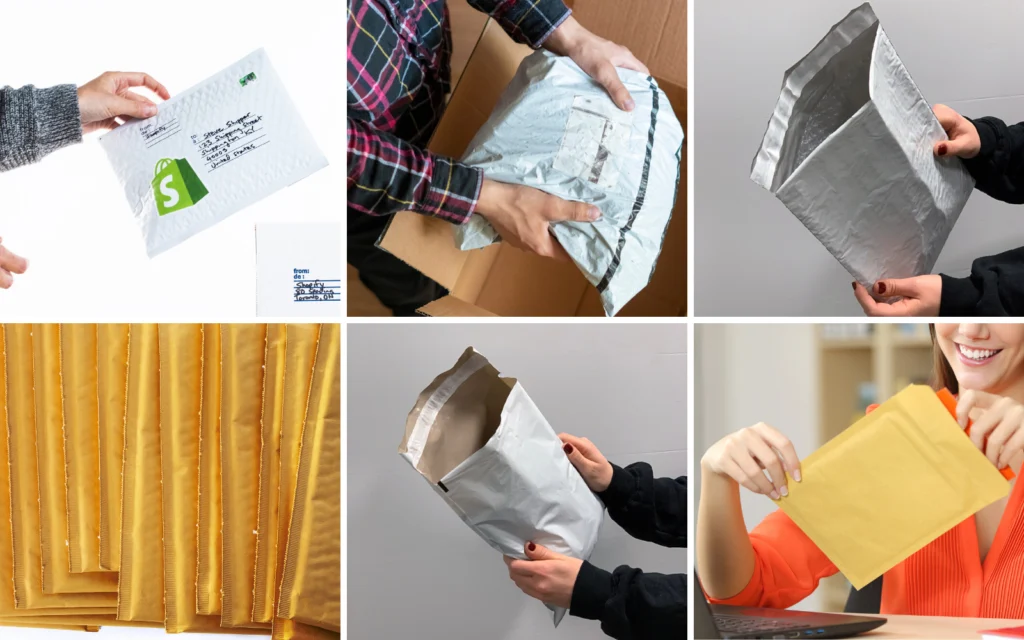
Poly Mailers vs. Paper Shipping Bags: What E-commerce Sellers Should Know Choosing between poly mailers and paper shipping bags shapes your unboxing experience, shipping costs, and sustainability image. This guide breaks down what e-commerce sellers actually need to know. What Poly Mailers Offer Poly mailers are lightweight, waterproof plastic bags widely used for shipping soft goods like clothing, accessories, and small non-fragile items. Their flexibility makes them easy to store and ship efficiently. Their biggest advantage is weight. Poly mailers add minimal shipping weight compared to boxes or paper alternatives, directly reducing shipping costs for high-volume sellers. What Paper Shipping Bags Offer Paper shipping bags provide a more eco-conscious unboxing experience, appealing to sustainability-focused customers. Many are made from recycled kraft paper and are fully recyclable after use. They typically offer decent puncture resistance for lightweight items, though they generally lack the waterproofing that poly mailers provide by default. Comparing Durability and Weather Resistance Poly mailers excel in wet or humid shipping conditions, protecting contents from rain and moisture during transit. This matters significantly for sellers shipping through monsoon seasons or humid regions. Paper bags, without additional lamination, absorb moisture more readily. Sellers using paper shipping bags in humid climates should consider a water-resistant coating or reserve paper for dry-season shipping. Share this post! Comparing Cost at Bulk Scale Poly mailers generally cost less per unit than paper shipping bags of comparable size, thanks to established, high-volume plastic manufacturing infrastructure. Paper alternatives can close this cost gap somewhat at very high order volumes, but typically remain moderately more expensive, especially for sellers prioritizing branded, printed paper packaging. Customer Perception and Unboxing Experience Paper shipping bags often create a more premium, eco-conscious unboxing moment, which some brands leverage as part of their overall customer experience strategy. Poly mailers, while practical, can feel more generic unless customized with branding, printing, or unique colors that elevate the unboxing moment despite the plastic material. A Direct Comparison Table       Weight Very light Moderate Water resistance High Low (unless coated) Cost per unit Lower Moderate to higher Unboxing appeal Functional Premium, eco-conscious Best for Soft goods, wet climates Branded, eco-focused shipping   Accounting for Regional Climate Variation India’s diverse climate means a poly mailer strategy that works well in Delhi’s dry winters might underperform during Mumbai’s monsoon season. Sellers shipping nationwide should consider climate-specific packaging adjustments across their fulfillment operations. Some businesses use poly mailers year-round for weather protection regardless of region, simplifying operations at the cost of the more premium paper experience during drier months when moisture risk is lower. When Poly Mailers Make Sense Poly mailers work best for: Clothing and soft goods shipments High-volume, cost-sensitive operations Humid or wet climate shipping regions Non-fragile items needing lightweight protection When Paper Bags Make Sense Paper shipping bags suit: Brands prioritizing sustainability messaging Dry climate regions with lower moisture risk Premium or gift-oriented product lines Businesses wanting recyclable packaging as a selling point Considering Product Fragility First Before choosing between poly mailers and paper bags, confirm your product doesn’t need rigid protection at all. Fragile or breakable items may require a padded envelope or box instead of either flexible option. Reserve this comparison specifically for soft, non-fragile goods, since forcing a fragile product into a flexible mailer of either material type risks damage regardless of which one you choose, no matter how carefully it’s packed inside. Considering Returns and Reusability Poly mailers with resealable strips make product returns easier for customers, since the same mailer can often be reused to send items back. This convenience can reduce return-related friction and improve customer satisfaction. Paper bags typically don’t offer the same resealable convenience, though some sellers address this by including separate return packaging instructions or materials with premium orders. Evaluating Custom Branding Options Both poly mailers and paper bags support custom printing, though the visual results differ notably. Poly mailers offer vibrant, glossy print options, while paper bags provide a more matte, natural aesthetic. Choosing based on your brand’s visual identity, not just functional performance, helps ensure your packaging reinforces your overall brand story consistently across every customer touchpoint. Calculating Total Shipping Cost Impact Beyond unit price, consider how packaging weight affects your overall shipping costs, especially for weight-based courier pricing. Poly mailers’ lighter weight can meaningfully reduce per-shipment costs at scale. Run the numbers for your specific product mix and shipping volume before committing to either material exclusively across your entire catalog. Mixing Materials Strategically Many e-commerce sellers use poly mailers for bulk, lower-margin shipments while reserving paper bags for premium products or gift orders where the unboxing experience matters more. EcoTurtles supplies both poly mailers and paper shipping bags, letting e-commerce businesses build a packaging mix suited to their specific product categories and customer expectations. Final Thoughts Neither poly mailers nor paper shipping bags win universally across every seller and shipping scenario. The right choice depends on your product type, shipping climate, and overall brand positioning, so testing both against your real conditions remains the most reliable path forward. Test both against your actual shipping conditions, and build a packaging strategy that balances cost, protection, and customer experience.

Uncategorized

Silver Foil Bags 101: When Food Businesses Actually Need Them

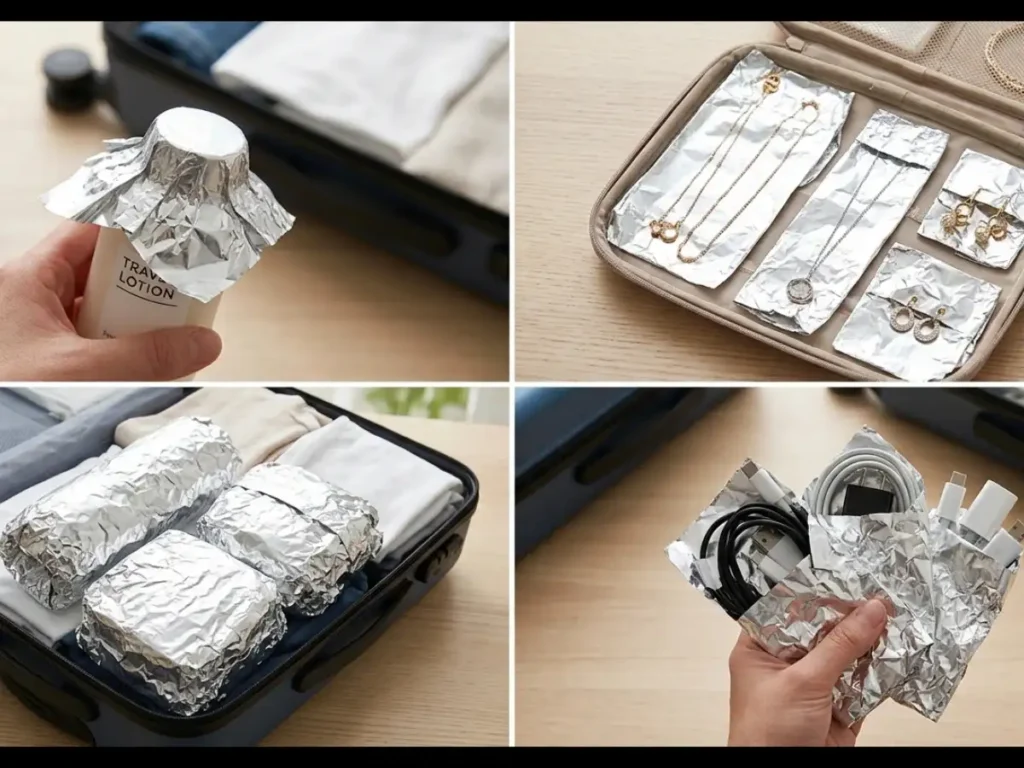
Silver Foil Bags: When Food Businesses Need Them Silver foil bags show up across countless food businesses, from bakeries to biryani joints. But not every product needs them. This guide explains when foil packaging genuinely earns its keep. What Silver Foil Bags Actually Are Silver foil bags combine a plastic or paper base with a thin aluminum layer, creating a barrier against heat, light, and moisture. This layered structure is what gives them their distinct silver appearance. The foil layer isn’t just cosmetic. It actively blocks external heat and light, helping food maintain temperature and freshness longer than standard packaging alone. Why Heat Retention Matters Foil bags trap heat effectively, keeping hot food warmer during transit compared to plain paper or thin plastic bags. This makes them popular for delivery-focused food businesses. For dishes like biryani, parathas, or fried snacks, maintaining warmth directly affects customer satisfaction, since cold delivery is one of the most common complaints in food delivery reviews. Where Foil Bags Genuinely Help Certain food categories benefit clearly from foil packaging: Hot, oily fried foods needing heat retention and grease resistance Baked goods requiring moisture and light protection Spiced, aromatic dishes where flavor retention matters Long-distance delivery orders needing extended heat retention For these categories, the extra cost of foil packaging often translates directly into better customer experience. Share this post! Where Foil Bags Are Overkill   Not every product justifies foil packaging costs. Cold items, dry snacks, and short-distance deliveries often perform just as well in standard paper or plastic packaging. Using foil bags unnecessarily adds cost without meaningful customer benefit, cutting into margins for businesses that could achieve similar results with simpler packaging. Comparing Foil Bags to Standard Alternatives         Heat retention High Low to moderate Cost per unit Higher Lower Grease resistance Strong Moderate Best for Hot, long-distance delivery Cold or short-distance items   Cost Considerations at Bulk Scale   Foil bags cost more per unit than standard packaging due to the added aluminum layer and manufacturing complexity. For high-volume delivery businesses, this cost adds up across thousands of orders monthly. Reserve foil packaging specifically for dishes where heat retention genuinely affects customer satisfaction, rather than applying it across your entire menu by default. Combining Foil Bags With Other Packaging Elements   Some food businesses pair foil bags with an outer paper sleeve or box, combining foil’s heat retention with a more branded, presentable outer layer for the customer’s unboxing moment. This layered approach can offset foil’s more generic appearance while still capturing its functional heat and moisture benefits, though it does add incremental cost per order worth weighing against your specific margin structure. How Foil Bags Affect Brand Perception   Beyond function, foil packaging carries a premium feel that can elevate how customers perceive a dish’s value, even before opening it. This makes foil bags popular for higher-priced menu items where presentation matters. Businesses selling budget-friendly, high-volume items may find the premium look unnecessary, while premium or specialty food brands often see foil packaging as a worthwhile investment in overall brand experience. Environmental Considerations for Foil Packaging   The aluminum layer in foil bags makes full biodegradability more difficult compared to plain paper or compostable alternatives. Businesses prioritizing sustainability messaging should weigh this trade-off against foil’s functional benefits. Some newer foil-alternative materials use metallized films that mimic foil’s heat-retention properties with improved biodegradability, though performance and cost still vary across suppliers and remain worth testing directly. A Practical Decision Framework   Ask these questions before choosing foil packaging for a specific dish: Does the dish need to stay hot during a longer delivery window? Is grease or moisture resistance a significant concern? Does the product’s price point support a higher packaging cost? Have customers specifically complained about temperature loss? If you answered yes to heat retention or grease concerns, foil packaging likely justifies its cost. Testing Before Committing to Bulk Orders   Order small sample batches and test them with your actual dishes over your typical delivery distances and time windows. Compare customer feedback against your current packaging to measure real-world impact accurately. This testing phase reveals whether foil packaging delivers noticeable improvement for your specific menu, rather than assuming it will based on general industry trends alone or competitor packaging choices. Regional Preferences Worth Noting   Foil packaging tends to be especially popular for specific regional cuisines known for hot, spiced, or oily dishes, where heat and aroma retention directly influence customer satisfaction and repeat orders. Businesses operating across multiple regions or cuisines may find foil packaging valuable for certain menu categories while remaining unnecessary for others, reinforcing the case for a mixed, dish-specific packaging strategy rather than a blanket policy applied uniformly across an entire diverse menu. Balancing Menu-Wide Packaging Strategy   Many successful food businesses use foil bags selectively, reserving them for hot, high-value dishes while using standard packaging for cold items, drinks, and dry snacks. This hybrid approach controls costs without sacrificing quality where it matters most. EcoTurtles supplies silver foil bags alongside standard paper and plastic packaging, letting food businesses build a menu-matched packaging strategy without managing multiple vendor relationships. Final Thoughts   Silver foil bags solve a specific problem: heat and moisture retention during transit and extended delivery windows. They’re not necessary for every product on your menu, but they’re invaluable for the right ones, especially where customer satisfaction hinges on food arriving hot. Match foil packaging to dishes that genuinely benefit, and you’ll protect both your margins and your customer satisfaction scores.

Uncategorized

Disposable Gloves and Masks: A Bulk Buyer’s Guide for Commercial Kitchens

Disposable Gloves and Masks: A Bulk Buyer’s Guide for Commercial Kitchens Commercial kitchens go through disposable gloves and masks faster than almost any other supply. This guide helps kitchen managers buy smarter, avoiding both shortages and wasted spending. Why Bulk Buying Matters for Kitchens A busy commercial kitchen can use hundreds of gloves daily across food prep, cleaning, and service stations. Buying in bulk keeps unit costs low and prevents mid-shift shortages that disrupt operations. Poor planning around glove and mask supply often leads to emergency retail purchases at higher prices, cutting into already tight margins. Choosing the Right Glove Material Different tasks call for different glove types. Understanding your options prevents both overspending and performance mismatches. Nitrile gloves: Strong, puncture-resistant, good for raw meat handling Vinyl gloves: Cost-effective, suited to low-risk food prep Latex gloves: Flexible fit, though allergy concerns limit use Polyethylene gloves: Lightweight, ideal for quick, low-contact tasks Matching glove type to task reduces waste from over-specifying premium gloves where basic ones would work fine. Mask Requirements in Food Service Masks in commercial kitchens typically serve hygiene compliance purposes, preventing contamination during food handling and prep. Basic disposable masks suffice for most kitchen environments. Some regions mandate specific mask standards for food service workers, so checking local health department requirements before bulk ordering avoids compliance issues later. Estimating Your Bulk Order Volume Calculate your typical daily usage across all stations, then multiply by your reorder cycle length plus a safety buffer. This prevents both understocking and excessive storage needs. A kitchen processing 200 covers daily might use several hundred gloves per shift, so precise tracking over a few weeks gives a more accurate ordering baseline than rough estimates. Balancing Cost and Quality Cheaper gloves often tear more easily, leading to more frequent changes and higher overall usage despite the lower unit price. Calculate cost per use, not just cost per box, when comparing options. A slightly pricier glove that lasts through a full task without tearing often proves more economical than constantly replacing thin, low-quality alternatives. Storage Considerations for Bulk Supplies Gloves and masks should be stored in cool, dry conditions away from direct sunlight, which can degrade material quality over time. Proper storage extends shelf life and maintains performance. Set up a rotation system using older stock first, preventing waste from unused supplies expiring or degrading in storage before they’re ever used. Training Staff on Proper Glove Use Even the best gloves fail to protect against contamination if staff aren’t changing them at appropriate intervals. Train kitchen teams on when to change gloves—between tasks, after handling raw proteins, or after touching non-food surfaces. This training reduces unnecessary waste from overly frequent changes while maintaining proper hygiene standards required for food safety compliance across your kitchen operations. Accounting for Allergy and Sensitivity Concerns Some staff members may have latex allergies or sensitivities to specific glove materials, so kitchens should stock at least one hypoallergenic alternative like nitrile or vinyl alongside standard options. Checking with your team about any known sensitivities before finalizing your bulk glove order prevents workplace health issues and ensures every staff member has access to gloves they can safely wear during shifts, without disrupting kitchen operations or requiring last-minute substitutions. Comparing Suppliers for Consistency Glove quality can vary noticeably between manufacturers, even within the same material category. Request samples from multiple suppliers and test them across your actual kitchen tasks before committing to a bulk contract. Consistency matters as much as initial quality, since a supplier who delivers reliable products batch after batch protects your kitchen from unexpected performance issues mid-shift. Comparing Glove Types for Common Tasks       Raw meat handling Nitrile Puncture resistance Salad and produce prep Vinyl Cost-effective Quick garnish work Polyethylene Fast, low-cost Dishwashing Nitrile (thicker) Chemical resistance   Sustainability Considerations Some suppliers now offer biodegradable glove options, though performance and cost still lag behind traditional nitrile and vinyl for heavy-duty kitchen tasks. Testing these carefully before full adoption is wise. Reducing unnecessary glove changes, through better task planning, also cuts waste regardless of which material you choose for your kitchen. Building a Reliable Reorder System Set clear reorder trigger points based on your usage data, rather than waiting until supplies run critically low. This prevents last-minute panic orders at higher prices from local suppliers. EcoTurtles supplies disposable gloves and masks in bulk for commercial kitchens, helping food businesses maintain consistent supply without overordering or facing unexpected shortages. Planning Around Peak Service Periods Usage spikes during weekends, festivals, or catering events can quickly deplete standard inventory levels. Review historical usage data around these peak periods and adjust order quantities ahead of time rather than reacting after supplies run low. Building a small buffer stock specifically for predictable high-demand periods protects your kitchen from mid-shift shortages during your busiest and most revenue-critical service windows. Common Mistakes Kitchen Managers Make Ordering one glove type for every task, regardless of fit Underestimating usage during peak service periods Storing supplies in humid or sunlit areas, reducing shelf life Failing to track actual usage data before reordering Avoiding these mistakes keeps both costs and supply chains predictable. Final Thoughts Bulk buying gloves and masks for a commercial kitchen isn’t just about finding the lowest price. It’s about matching material to task, training staff properly, and building a reliable reorder system that scales with demand and protects both hygiene standards and your bottom line. Track your usage, choose materials wisely, and partner with a supplier who understands commercial kitchen demands. Share this post!

Uncategorized

Biodegradable Bin Liners vs. Standard Garbage Bags: What’s the Real Difference?

Biodegradable Bin Liners vs. Standard Garbage Bags: What’s the Real Difference? Choosing between biodegradable bin liners and standard garbage bags affects more than your bin. This guide breaks down the real differences in material, cost, and disposal, so you can pick what’s right for your business. What Standard Garbage Bags Are Made Of Standard garbage bags are typically made from polyethylene, a durable plastic that resists tearing and holds heavy waste without leaking. This durability has made it the default choice for decades. However, polyethylene doesn’t break down quickly. In landfills, standard bags can persist for hundreds of years, contributing to long-term plastic accumulation. What Biodegradable Bin Liners Are Made Of Biodegradable bin liners use plant-based polymers or specially engineered plastic blends designed to break down faster under the right conditions. Many are made from cornstarch, vegetable oils, or other renewable sources. This plastic to biodegradable packaging transition for waste bags reflects growing demand from businesses wanting to reduce their landfill footprint without changing daily operations significantly. Comparing Strength and Durability Standard bags generally hold more weight without tearing, especially for sharp or heavy waste like broken glass or food scraps with bones. This makes them a safer choice for high-volume commercial kitchens. Biodegradable liners have improved significantly in recent years, but thinner varieties can still tear under heavy or sharp waste. Choosing a thicker gauge liner helps close this performance gap. Comparing Decomposition Timelines This is where the real difference lies. Standard plastic bags can take centuries to break down in a landfill environment with minimal oxygen and light exposure. Biodegradable liners break down considerably faster under proper composting conditions, though timelines vary. In a standard landfill, without industrial composting, even biodegradable bags decompose more slowly than marketing sometimes suggests. Understanding “Biodegradable” vs “Compostable” These terms often get used interchangeably, but they aren’t the same. Biodegradable simply means a material breaks down naturally over time, without a specific timeline attached. Compostable is a stricter standard, meaning the material breaks down within a defined period under specific composting conditions, leaving no toxic residue behind. Cost Differences at Bulk Scale Biodegradable bin liners typically cost more per unit than standard plastic bags due to raw material sourcing and manufacturing complexity. For high-volume waste generators, this difference adds up. Businesses should weigh this cost against potential brand value, regulatory compliance, and long-term environmental impact when making bulk purchasing decisions. Where Standard Bags Still Make Sense Certain waste streams still favor standard bags for practical reasons: Heavy construction debris with sharp edges Wet, oily kitchen waste needing maximum leak resistance High-volume industrial waste where durability outweighs biodegradability Situations without composting infrastructure nearby In these cases, biodegradable liners may tear or fail before waste reaches proper disposal. Where Biodegradable Liners Shine Biodegradable liners work particularly well for: Office and retail waste with lighter, drier contents Hospitality settings prioritizing visible sustainability Food waste collection where composting facilities exist Businesses under regulatory pressure to reduce plastic use A Side-by-Side Comparison       Tear resistance High Moderate to good Decomposition time Very slow Faster (conditions-dependent) Cost per unit Lower Higher Best for Heavy, sharp waste Light, dry, or food waste   Questions to Ask Before Switching Before making the switch, ask: Does your local waste system support composting? What type of waste will fill these bags most often? Can your budget absorb a higher per-unit cost? Does your brand benefit from visible sustainability efforts? Common Misconceptions About Biodegradable Bags Many buyers assume “biodegradable” automatically means a bag will disappear within weeks anywhere it ends up. In reality, decomposition speed depends heavily on oxygen, moisture, and microbial activity present at the disposal site. A biodegradable bag sitting in a sealed, compacted landfill may break down only marginally faster than a standard bag, since landfill conditions often lack the airflow needed for full decomposition to occur quickly. How Regulations Are Shaping Demand Several Indian states have introduced restrictions on thin, single-use plastic bags, pushing many businesses toward biodegradable or thicker reusable alternatives. Waste management vendors in some cities now require compliant bin liners for commercial pickup. Staying ahead of these regulatory shifts, rather than reacting after enforcement begins, helps businesses avoid last-minute scrambles to find compliant suppliers during peak compliance deadlines. Educating Staff on Bin Liner Differences Facilities staff handling waste disposal daily should understand which bins use biodegradable liners and which use standard bags, since mixing them up can undermine sorting efforts at composting or recycling facilities. A simple color-coding or labeling system helps staff quickly identify the correct liner for each waste stream, reducing contamination that could otherwise disqualify an entire batch from proper composting processing. Testing Liners Under Real Conditions Before committing to a bulk order, request samples and test them with your actual waste stream for at least a week. Check for tearing, leaking, and how the bags handle your typical bin volume and weight. This practical testing reveals performance gaps that spec sheets alone can’t predict, especially for kitchens or facilities generating unusually heavy or sharp waste regularly. Making the Switch Without Disruption Many businesses start by switching just their office or front-of-house bins to biodegradable liners, keeping standard bags for heavier back-of-house waste. This phased approach limits risk while building sustainability credibility. EcoTurtles supplies both standard garbage bags and biodegradable bin liners, letting businesses mix and match based on actual waste stream needs rather than committing entirely to one option. Final Thoughts Neither option is universally better across every waste stream and business type. Standard bags offer unmatched durability for heavy waste, while biodegradable liners reduce long-term environmental impact for lighter, everyday use cases. Match the material to your actual waste stream, and you’ll get both reliable performance and meaningful sustainability progress. Share this post!

Scroll to Top