Storage and Shelf Life: Managing Bulk Packaging Inventory Without Waste
Bulk packaging inventory can quietly turn into wasted spending if storage and shelf life aren’t managed carefully. This guide covers practical strategies for managing bulk packaging without unnecessary waste.
Why Packaging Shelf Life Matters
Many businesses assume packaging materials last indefinitely in storage, but this isn’t always true. Certain materials degrade, weaken, or discolor over time, especially under poor storage conditions.
Understanding your specific packaging materials’ shelf life prevents ordering excessive inventory that degrades before use, wasting both money and the environmental benefit of eco-friendly materials.
How Different Materials Age Differently
Packaging materials degrade at different rates depending on composition and storage environment:
- Plastic and PET: Generally stable for years under proper storage
- Bagasse and kraft paper: Sensitive to humidity, shorter stable shelf life
- Compostable films: Can begin breaking down even in storage over time
- Biodegradable bin liners: May weaken gradually depending on formulation
Understanding these differences helps prioritize which inventory needs closer monitoring and faster turnover.

Setting Up Proper Storage Conditions
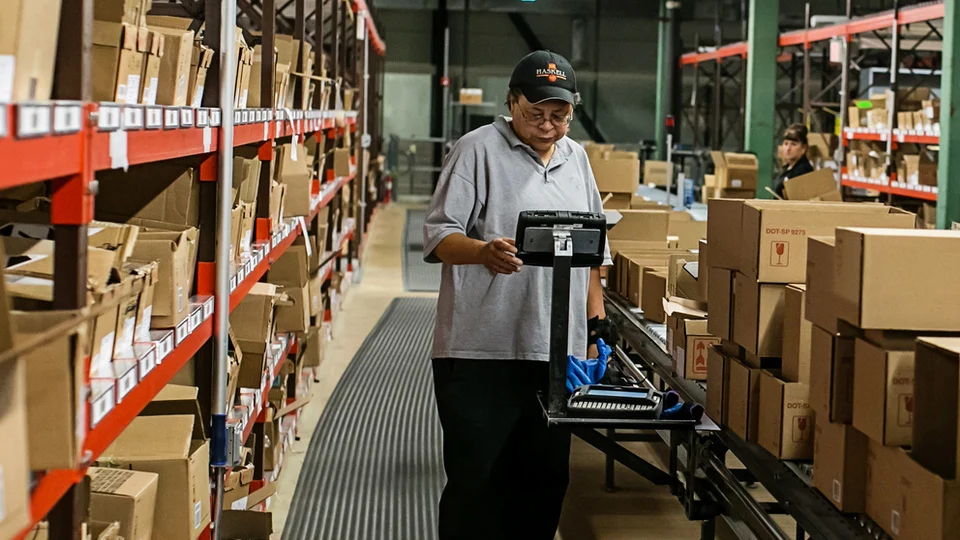
Most packaging materials benefit from cool, dry, and dark storage conditions, away from direct sunlight and humidity fluctuations that accelerate degradation.
Investing in basic climate control or dehumidification for storage areas, particularly in humid regions, protects sensitive eco-friendly materials from premature quality loss before they’re ever used.
Implementing a First-In, First-Out System
A first-in, first-out inventory system ensures older stock gets used before newer deliveries, preventing materials from sitting unused long enough to degrade in storage.
Labeling incoming shipments with delivery dates and organizing storage so older stock remains accessible first makes this system practical to maintain consistently across daily operations.
Calculating Optimal Order Quantities
Balance bulk pricing discounts against realistic usage rates and shelf life limitations. Ordering beyond what you can use within a material’s stable shelf life negates any savings from bulk pricing.
Calculate your typical monthly usage rate, then order quantities that align with both your storage capacity and the specific material’s practical shelf life before quality begins declining.
Monitoring Inventory Quality Over Time
Periodically inspect stored packaging inventory for signs of degradation, such as discoloration, brittleness, or moisture damage, particularly for materials known to be more storage-sensitive.
Catching early degradation signs allows businesses to prioritize using affected stock quickly, rather than discovering quality issues only when the packaging is actually needed for production or service.
A Practical Inventory Management Checklist
To manage bulk packaging inventory effectively, ensure you:
- Understand shelf life characteristics for each material type
- Maintain appropriate storage conditions for sensitive materials
- Implement a first-in, first-out rotation system
- Order quantities aligned with realistic usage and shelf life
- Periodically inspect stored inventory for quality degradation
Reducing Waste Through Better Forecasting
Accurate demand forecasting, based on historical usage data rather than rough estimates, helps businesses order appropriate quantities that minimize both stockouts and excess inventory risking degradation.
Reviewing past ordering and usage patterns regularly helps refine forecasting accuracy over time, reducing the waste that comes from either overordering or scrambling with last-minute small orders.
Addressing Seasonal Inventory Fluctuations
Businesses with seasonal demand spikes, like caterers during wedding season, often need larger temporary inventory buffers that carry higher degradation risk if not planned around specific event timelines carefully.
Coordinating bulk seasonal orders with confirmed usage timelines, rather than generic annual estimates, reduces the risk of seasonal stock sitting unused long enough to degrade before the relevant season arrives.
Training Staff on Inventory Handling
Warehouse and storage staff benefit from basic training on proper handling and stacking of different packaging materials, since improper handling can cause physical damage independent of natural material aging.
This training reduces waste from preventable handling damage, protecting inventory investment beyond just managing shelf life and storage conditions alone.
Documenting Supplier Lead Times for Reordering
Knowing your supplier’s typical lead time helps you set reorder trigger points that account for both delivery delays and remaining shelf life on existing stock, avoiding both stockouts and excess inventory sitting too long.
Building this lead time data into your inventory management system, rather than relying on memory or rough estimates, creates a more reliable, repeatable reordering process across your entire packaging portfolio.
Comparing Storage Practices
Climate-controlled storage | Extends material shelf life | Faster degradation |
First-in, first-out rotation | Prevents aged stock waste | Unused stock expiring |
Regular quality inspection | Catches issues early | Discovering damage too late |
Demand-based ordering | Reduces excess inventory | Wasted bulk pricing benefits |
Partnering With Suppliers on Inventory Planning
Suppliers experienced in bulk packaging can advise on realistic shelf life expectations and optimal order timing, helping businesses avoid common inventory management mistakes.
EcoTurtles works with businesses to plan bulk packaging orders that balance cost efficiency with practical shelf life and storage considerations, reducing waste across the supply chain.
Final Thoughts
Managing bulk packaging inventory thoughtfully protects both your budget and the environmental benefits of choosing sustainable materials in the first place, rather than letting good intentions go to waste in poorly managed storage over time.
Understand your materials, maintain proper storage, and order based on realistic usage patterns to minimize waste across your packaging supply chain.