Extended Producer Responsibility (EPR): What It Means for Packaging Buyers in India
Extended Producer Responsibility, or EPR, has reshaped packaging compliance across India. This guide explains what packaging buyers need to understand to stay compliant and avoid penalties.
What EPR Actually Means
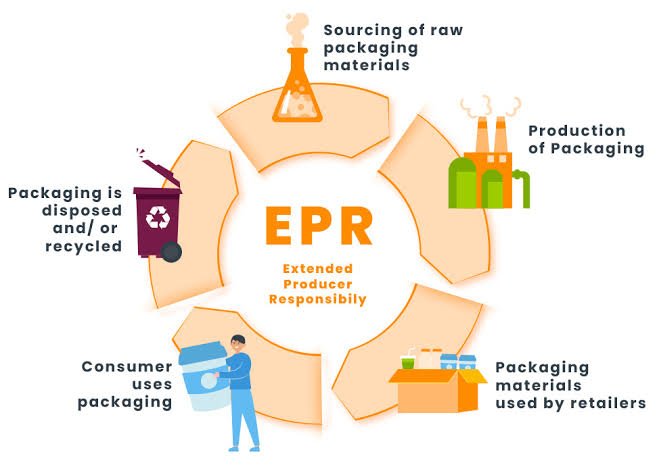
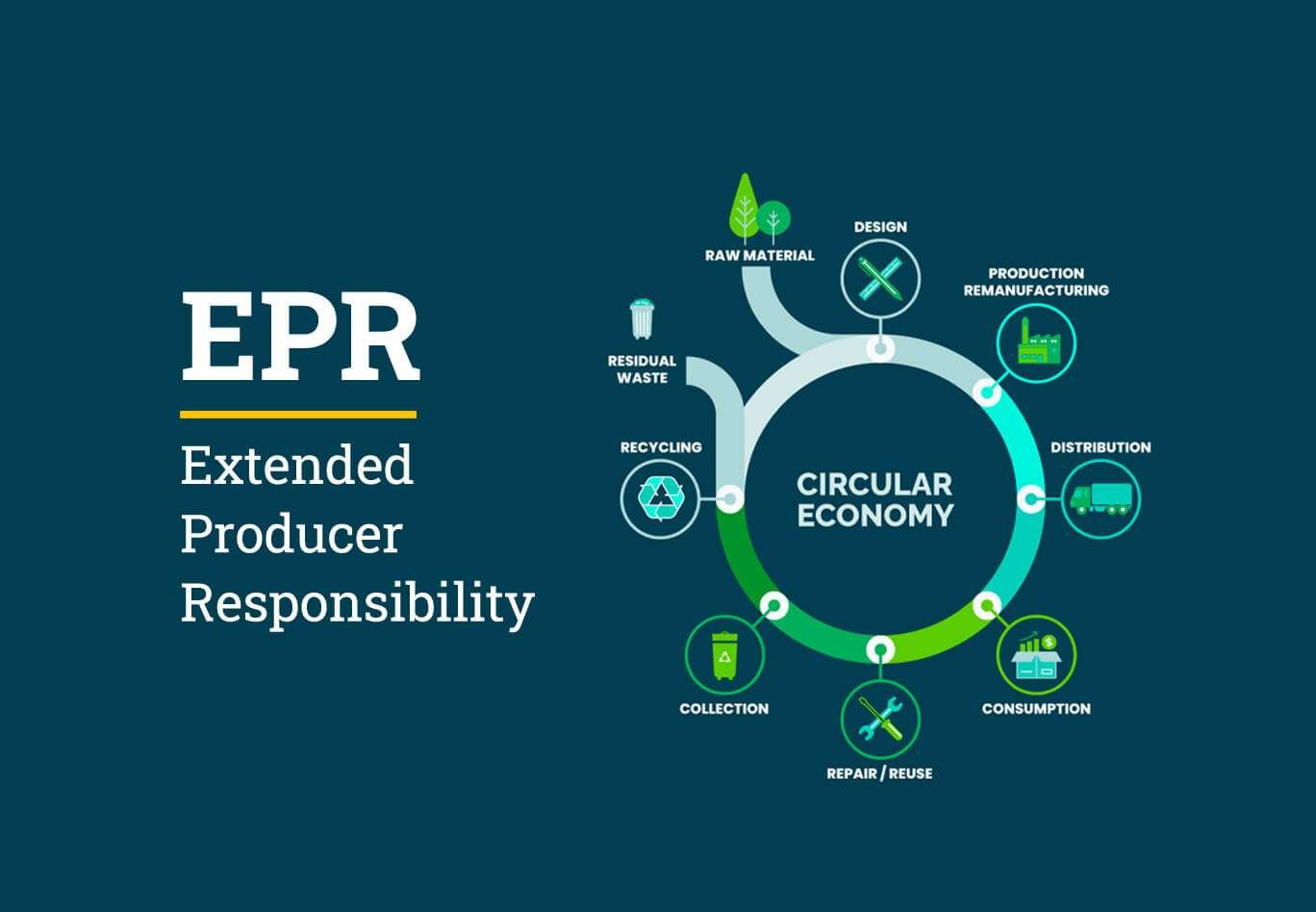
EPR shifts responsibility for a product’s end-of-life disposal onto the producer, importer, or brand owner, rather than leaving it entirely to municipal waste systems. For packaging, this means businesses must account for what happens after their packaging is discarded.
In India, EPR regulations require registered entities to ensure a defined percentage of their packaging waste gets collected, recycled, or otherwise processed responsibly each year.
Who EPR Applies To
EPR obligations typically apply to producers, importers, and brand owners placing packaged products into the Indian market, regardless of company size in many cases. Packaging buyers sourcing materials in bulk should understand where their business fits into this framework.
Even businesses that don’t manufacture packaging directly may still bear EPR obligations if they brand or sell packaged products under their own name.
Categories of Packaging Under EPR
Indian EPR regulations classify packaging into categories, each with different collection and recycling targets:
- Rigid plastic packaging like PET containers and bottles
- Flexible plastic packaging including pouches and wrappers
- Multi-layered packaging combining plastic with other materials
- Compostable packaging with separate processing pathways
Understanding which category your packaging falls into determines your specific compliance obligations.
How EPR Affects Purchasing Decisions
Businesses now factor EPR compliance into packaging sourcing decisions, not just cost and performance. Choosing packaging with clear recyclability or established take-back programs simplifies meeting annual EPR targets.
Suppliers who understand EPR requirements can guide buyers toward compliant material choices, reducing the administrative burden of tracking compliance separately after purchasing.
Documentation Buyers Should Request
When sourcing packaging, request documentation confirming material composition, recyclability classification, and any EPR registration details from your supplier. This documentation supports your own compliance reporting.
Missing or incomplete documentation can create compliance gaps that surface during audits, potentially resulting in penalties or reputational damage for non-compliant businesses.
Working With EPR-Registered Suppliers
Partnering with suppliers who maintain proper EPR registration and documentation simplifies your own compliance journey significantly. This reduces the risk of gaps in your packaging waste accounting.
Ask potential suppliers directly about their EPR registration status and how they support customer compliance reporting before finalizing any bulk packaging agreement.
How EPR Targets Are Calculated
EPR targets are generally based on the total weight or volume of packaging a business introduces into the market annually, broken down by material category. Meeting these targets often involves purchasing recycling credits or partnering directly with waste processors.
Understanding how your specific packaging categories contribute to your overall target helps prioritize which materials to shift toward more compliant alternatives first, rather than attempting a costly blanket overhaul across your entire catalog.
Budgeting for Compliance Costs
EPR compliance often involves direct costs, whether through recycling credit purchases, registration fees, or partnership arrangements with waste processors. Building these costs into your annual packaging budget avoids unexpected financial strain.
Some businesses find that shifting toward more easily recyclable materials reduces overall compliance costs over time, making the initial investment in better materials pay off through lower ongoing EPR obligations.
The Role of Producer Responsibility Organizations
Many businesses meet EPR obligations by working with registered Producer Responsibility Organizations, which coordinate collection and recycling on behalf of multiple companies. This shared infrastructure reduces the burden on individual businesses.
Confirming whether your supplier or your own business needs direct engagement with these organizations, rather than relying solely on general assumptions, ensures your compliance strategy actually meets regulatory requirements.
Practical Steps for Compliance
- Identify your packaging categories under EPR classification rules
- Choose suppliers with clear compliance documentation
- Track your annual packaging volume by category
- Partner with registered recyclers or waste processors as required
- Maintain records for potential regulatory audits
Following these steps systematically reduces compliance risk while keeping your sourcing decisions aligned with regulatory requirements.
How EPR Is Shaping Material Choices
Many businesses are shifting toward more easily recyclable or biodegradable packaging partly to simplify EPR compliance, alongside broader sustainability goals. This trend is accelerating adoption of alternatives like bagasse and kraft packaging.
Materials with established recycling or composting pathways generally simplify compliance more than complex multi-layered packaging with unclear end-of-life processing.
Staying Current With Evolving Regulations
EPR regulations in India have continued evolving since their initial rollout, with updated targets, categories, and reporting requirements introduced periodically. Businesses relying on outdated compliance information risk falling behind current obligations.
Checking official government notifications or working with a knowledgeable supplier who tracks these updates helps ensure your compliance strategy stays current rather than based on rules that may have since changed.
Common Compliance Mistakes
- Assuming EPR only applies to large manufacturers
- Failing to track packaging volume accurately by category
- Working with suppliers lacking proper compliance documentation
- Missing annual reporting deadlines due to poor record-keeping
Avoiding these mistakes protects businesses from unexpected penalties and compliance gaps discovered too late to correct easily.
Supporting Buyers Through Compliance
EcoTurtles maintains proper documentation and compliance support for businesses navigating EPR requirements, helping packaging buyers make informed sourcing decisions that align with regulatory obligations.
Final Thoughts
EPR compliance is now a core consideration in packaging procurement, not a separate afterthought. Understanding your obligations and choosing compliant suppliers protects your business from regulatory risk and unexpected penalties down the line.
Stay informed about evolving EPR requirements, and build supplier relationships that support your compliance journey over the long term.