Biodegradable Bin Liners vs. Standard Garbage Bags: What's the Real Difference?
Choosing between biodegradable bin liners and standard garbage bags affects more than your bin. This guide breaks down the real differences in material, cost, and disposal, so you can pick what’s right for your business.
What Standard Garbage Bags Are Made Of
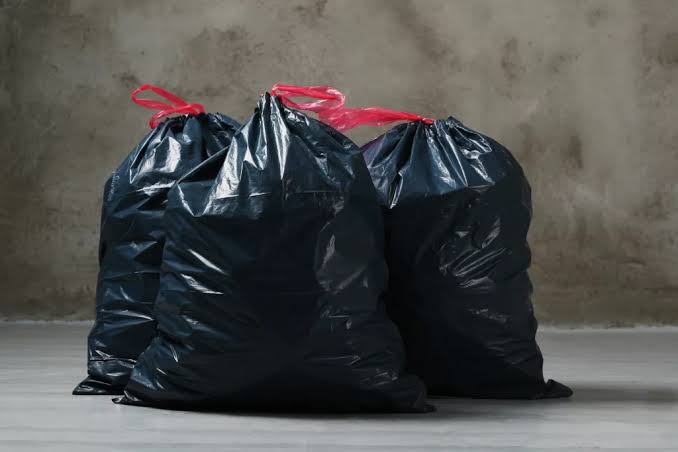
Standard garbage bags are typically made from polyethylene, a durable plastic that resists tearing and holds heavy waste without leaking. This durability has made it the default choice for decades.
However, polyethylene doesn’t break down quickly. In landfills, standard bags can persist for hundreds of years, contributing to long-term plastic accumulation.
What Biodegradable Bin Liners Are Made Of
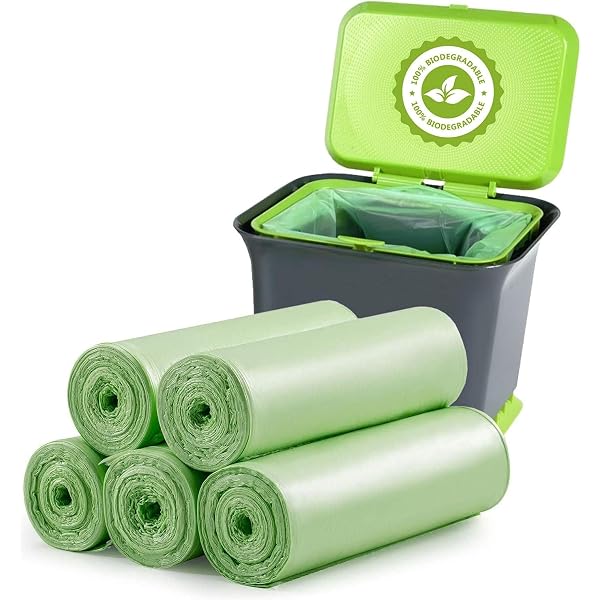
Biodegradable bin liners use plant-based polymers or specially engineered plastic blends designed to break down faster under the right conditions. Many are made from cornstarch, vegetable oils, or other renewable sources.
This plastic to biodegradable packaging transition for waste bags reflects growing demand from businesses wanting to reduce their landfill footprint without changing daily operations significantly.
Comparing Strength and Durability
Standard bags generally hold more weight without tearing, especially for sharp or heavy waste like broken glass or food scraps with bones. This makes them a safer choice for high-volume commercial kitchens.
Biodegradable liners have improved significantly in recent years, but thinner varieties can still tear under heavy or sharp waste. Choosing a thicker gauge liner helps close this performance gap.
Comparing Decomposition Timelines
This is where the real difference lies. Standard plastic bags can take centuries to break down in a landfill environment with minimal oxygen and light exposure.
Biodegradable liners break down considerably faster under proper composting conditions, though timelines vary. In a standard landfill, without industrial composting, even biodegradable bags decompose more slowly than marketing sometimes suggests.
Understanding “Biodegradable” vs “Compostable”
These terms often get used interchangeably, but they aren’t the same. Biodegradable simply means a material breaks down naturally over time, without a specific timeline attached.
Compostable is a stricter standard, meaning the material breaks down within a defined period under specific composting conditions, leaving no toxic residue behind.
Cost Differences at Bulk Scale
Biodegradable bin liners typically cost more per unit than standard plastic bags due to raw material sourcing and manufacturing complexity. For high-volume waste generators, this difference adds up.
Businesses should weigh this cost against potential brand value, regulatory compliance, and long-term environmental impact when making bulk purchasing decisions.
Where Standard Bags Still Make Sense
Certain waste streams still favor standard bags for practical reasons:
- Heavy construction debris with sharp edges
- Wet, oily kitchen waste needing maximum leak resistance
- High-volume industrial waste where durability outweighs biodegradability
- Situations without composting infrastructure nearby
In these cases, biodegradable liners may tear or fail before waste reaches proper disposal.
Where Biodegradable Liners Shine
Biodegradable liners work particularly well for:
- Office and retail waste with lighter, drier contents
- Hospitality settings prioritizing visible sustainability
- Food waste collection where composting facilities exist
- Businesses under regulatory pressure to reduce plastic use
A Side-by-Side Comparison
Tear resistance | High | Moderate to good |
Decomposition time | Very slow | Faster (conditions-dependent) |
Cost per unit | Lower | Higher |
Best for | Heavy, sharp waste | Light, dry, or food waste |
Questions to Ask Before Switching
Before making the switch, ask:
- Does your local waste system support composting?
- What type of waste will fill these bags most often?
- Can your budget absorb a higher per-unit cost?
- Does your brand benefit from visible sustainability efforts?
Common Misconceptions About Biodegradable Bags
Many buyers assume “biodegradable” automatically means a bag will disappear within weeks anywhere it ends up. In reality, decomposition speed depends heavily on oxygen, moisture, and microbial activity present at the disposal site.
A biodegradable bag sitting in a sealed, compacted landfill may break down only marginally faster than a standard bag, since landfill conditions often lack the airflow needed for full decomposition to occur quickly.
How Regulations Are Shaping Demand
Several Indian states have introduced restrictions on thin, single-use plastic bags, pushing many businesses toward biodegradable or thicker reusable alternatives. Waste management vendors in some cities now require compliant bin liners for commercial pickup.
Staying ahead of these regulatory shifts, rather than reacting after enforcement begins, helps businesses avoid last-minute scrambles to find compliant suppliers during peak compliance deadlines.
Educating Staff on Bin Liner Differences
Facilities staff handling waste disposal daily should understand which bins use biodegradable liners and which use standard bags, since mixing them up can undermine sorting efforts at composting or recycling facilities.
A simple color-coding or labeling system helps staff quickly identify the correct liner for each waste stream, reducing contamination that could otherwise disqualify an entire batch from proper composting processing.
Testing Liners Under Real Conditions
Before committing to a bulk order, request samples and test them with your actual waste stream for at least a week. Check for tearing, leaking, and how the bags handle your typical bin volume and weight.
This practical testing reveals performance gaps that spec sheets alone can’t predict, especially for kitchens or facilities generating unusually heavy or sharp waste regularly.
Making the Switch Without Disruption
Many businesses start by switching just their office or front-of-house bins to biodegradable liners, keeping standard bags for heavier back-of-house waste. This phased approach limits risk while building sustainability credibility.
EcoTurtles supplies both standard garbage bags and biodegradable bin liners, letting businesses mix and match based on actual waste stream needs rather than committing entirely to one option.
Final Thoughts
Neither option is universally better across every waste stream and business type. Standard bags offer unmatched durability for heavy waste, while biodegradable liners reduce long-term environmental impact for lighter, everyday use cases.
Match the material to your actual waste stream, and you’ll get both reliable performance and meaningful sustainability progress.